Sunday, October 30, 2011

Trust Me

Infamous frauds and financial crises have wrecked the public's faith in business in recent years, leading many companies to try to repair the damage by emphasizing codes of ethics.

But we do not have a crisis of ethics in business today. We have a crisis of trust.

Just because customers or employees think you are ethical (moral, honest and fair) does not mean they will or should trust you. Trust comes from delivering every day on what you promise—as a manager, an employee and a company. It involves constant teamwork, communication and collaboration.

Research shows that the most-trusted companies have lower employee turnover, higher revenue, profitability and shareholder returns. It only makes sense. What employee, customer or investor would choose to do business with a low-trust partner when a high-trust option is right around the corner?

If trust is crucial to restarting our economy, perhaps it is time we started helping leaders understand what trust is, how to build it and how to sustain it. Trust is usually given to those who demonstrate trustworthiness. What follows are five principles leaders can adopt to demonstrate trustworthiness and embed it in their companies.

[TRUST] Ross MacDonald

1. Show that your interests are the same

Before we trust somebody, we typically ask ourselves: How likely is this person to serve my interests? When interests are well-aligned, trust comes more easily. We tend to question the competence of our surgeon, not his motives. This is because we realize that he also benefits when we survive the operation. High-trust leaders try to accomplish their goals by serving the interests of all stakeholders, not by serving some while giving short shrift to, or manipulating, others. Leaders must clarify and align stakeholder interests, and prove they will promote those interests in a fair manner.

2. Demonstrate concern for others

People trust those who care about the welfare of others and distrust those who seem concerned only about themselves. To earn trust, leaders must demonstrate to others that they will do the right thing for them even if it puts themselves at risk. One chief executive chose to tell a vice president of marketing that he was being laid off just when the company marketing plan needed to be developed. The CEO knew it might be a setback for the company's planning, but he told the vice president right away rather than wait until after the plan was finished.

The manner in which this CEO executed a difficult decision became a well-known symbol of the importance of benevolence in the company.

3. Deliver on your promises

We are only trustworthy if we can deliver on our commitments. Good intentions, benevolence and even ethical conduct don't warrant trust if the person is incompetent. Data suggest this is the primary reason so few people trust the U.S. government today. They see the government as wasteful and dysfunctional and therefore not trustworthy. If leaders want to earn trust, they must prove they can reliably deliver on their commitments.

This is sometimes the downfall of visionary leaders. I am reminded of the leader of a consulting firm who was enamored of his brilliant vision but failed to realize that vision without execution often looks like delusion. People liked him, but they didn't trust him because he didn't execute on his lofty ideas. High-trust leaders make sure that there is a reasonable probability and capability to deliver before they make promises.

4. Be consistent and honest

High-trust leaders tend to feature consistency and integrity in their behavior. High-trust managers always try to honor their word and, if they fail to do so, they apologize and make sure it does not become a habit. When Warren Buffett was embarrassed by revelations that his right-hand man, David Sokol, had an undisclosed conflict of interest ($10 million in stock he held personally) in a major deal, he did not hide behind lawyers or say "no comment." He admitted the mistake and put measures in place to ensure that it would not happen again. Most people know that perfection can only be an aspiration. Trust comes from always striving always to honor one's word.

5. Communicate frequently, clearly and openly

Because trust is largely about relationships, communication is critical. Communication is also the vehicle through which the other four elements of trustworthiness are delivered. The ability to align interests, demonstrate benevolence, accurately communicate one's capabilities and practice what you preach all require effective communication skills.

Spirals of distrust often begin with miscommunication, leading to perceived betrayal, causing further impoverishment of communication, and ending in a state of chronic distrust. Clear and transparent communication encourages the same from others and leads to confidence in a relationship.

***

Restoring trust will require more than ethics training. It will require leaders and organizations that earn trust by striving to manifest trustworthiness in word and deed.

Dr. Hurley is a professor at Fordham University and author of the book "The Decision to Trust: How Leaders Can Create High Trust Companies."

Thanks to Robert Hurley / Online WSJ / Dow Jones & Company, Inc.
http://online.wsj.com/article/SB10001424052970204138204576603031565507232.html


Dread Going To Work? How To Deal With The Feeling

You dread going to work. Every morning is the same, you drag yourself out of bed. It's not that the body is weak but the mind is not willing. Most of us know that. If not for a long period of time, at least at some point in our career we would have felt that way.

Is there a way of overcoming the dread of going to work everyday? I am not sure if I have the absolute solution, but these are some of the strategies I have personally tried in my years of experience.

1. Dominant Thoughts

To start with, do not let the "dread going to work" syndrome become your dominant thought. Yes, I know it is easier said than done. But you have to start somewhere and that somewhere is your thought. Whether you call it "law of attraction" or any other term to describe it. The more you think about dreading your work, the deeper it will dwell into your thought. Stop thinking about it. Take that thought out and focus your thought on something else.

2. Source of Your Dread

What is the source of your "dread going to work" feeling? Start by doing something about it. Find out the source of your dread, or you will not be able to tackle it. Do not complain if you do not know what you are complaining about. Why do you dread going to work? Is it because of your colleagues, your boss, your routine work, your pay, the traffic? Write them down and see if you can tackle them. I am sure resignation has crossed your mind. But before you do that, let's see if there is a way of solving it. We cannot expect life to be perfect and work to be perfect for that matter.

3. Seek Not Perfection

Life is not perfect. Why should work be? Accept that things being imperfect are how things work. If you expect perfect colleagues, perfect bosses, perfect resources, perfect processes then you are in for a shock. There can never be a perfect system, perfect factory, and perfect office wherever you work. Because, trust me, no matter how high your pay is it can always be higher, no matter how good your colleagues are, they can always be better, no matter how understanding your boss is, he can always be better. Seek not perfection if you do not want to dread going to work. Seek adaptation, adaptation from yourself. What can you do to make the work environment better?

4. Work as a Pedagogue

Ever think that the process of work can also teach us something about life? Think of work as a pedagogue. It teaches us that we do not always have things our way and life can sometimes mean having to do things we do not like, or even enjoy. But it is only temporary and we have a choice of doing something about it. Use this experience of dreading to go to work as your teacher. What does it teach you? Ask and answer, and you will immediately see this experience of dread going to work in a different light.

There is something you can do about the feeling of "dread going to work." Do not fear it. Sit down calmly and have an action plan to tackle it. When you start working on a plan to diffuse it, you will feel better already even if the plan to stop the feeling of "dread going to work" does not work.

Yun Siang Long, or Long as he is popularly known, spent 16 years in 3 multinational ad agencies where he also trained people in areas of career management.

Thanks to Yun Siang Long / Careerealism
http://www.careerealism.com/dread-going-work-deal-feeling/?utm_source=feedburner&utm_medium=email&utm_campaign=Feed%3A+careerealism+%28CAREEREALISM%29


Choosing The Best Fonts For A Resume

Are you in the middle of creating your resume but are stumped by which fonts to use? Of course, there are hundreds of fonts out there from which to choose, but not all are appropriate for use in a resume. Let's take a look at the ones that are considered to be the best—and which ones are good to avoid.

Serif and Sans Serif Fonts Are Most Recommended

There are two font families that recruiters and HR managers seem to like the most: Serif and Sans Serif. The Serif font family means the fonts have tails; and Sans Serif means they are missing the tails on the ends of letters.

Popular font types in the Serif family include Georgia and Times New Roman—while popular Sans Serif fonts include Verdana and Arial. It's a good idea to note, however, some managers have disdain for Times New Roman and Arial because they tend to be used so often.

Find Fonts that Work on All Types of Computers

There are some cool fonts out there you may be tempted to use because they look both professional and appealing. But if you want to ensure your resume translates well on PCs (Windows) and Macs, it's better to pick fonts available on both.

For instance, you may love Palatino Linotype as a Serif font on your PC. But since it doesn't have an immediate translation on a Mac, aside from the similar Palatino, it could look different from your original copy when pulled up on anything other than a PC. It's good to keep this in mind as you choose your fonts.

Sidestep "Fun" Fonts

Also, when choosing fonts, it's a good idea to sidestep cursive fonts like Comic Sans or other fun fonts that you might enjoy but lack professionalism. The only exception to the "fun" font might be if you're submitting your resume for a unique job—such as one in the entertainment industry. But even then, it's good to know for sure the employer will be agreeable to this before creating your resume.

While you're thinking about font types, it's also wise to remember the average font size for a resume is 10 to 14 points (10-12 for regular text and 12-14 for subheadings). By thinking as much about your fonts as the content in your resume, you're sure to create a document a hiring manager is eager to read.

Jessica Holbrook Hernandez, CEO of Great Resumes Fast is an expert resume writer, career and personal branding strategist, author, and presenter.

Thanks to Jessica Holbrook Hernandez / Careerealism
http://www.careerealism.com/resume-fonts/?utm_source=feedburner&utm_medium=email&utm_campaign=Feed%3A+careerealism+%28CAREEREALISM%29


Managers Lie Because You Want Them To

In this recent WSJ article, an accomplished AT&T executive, Howard McNally shares the time when a laid-off middle-aged employee walked into his office crying. The man was holding six, (yes, SIX) annual reviews that said he was performing well. Thus, he had been completely caught off-guard by the pink-slip and wanted an explanation as to why great wasn't good enough. McNally says, at that moment, he vowed never to let his employees not know where they stood professionally again. The article goes on to explain some of the efforts McNally put in place over his career to give honest performance feedback. It included all his managers not being able to give more than 50% of the staff outstanding reviews. In fact, he demanded every manager be able to rank their employees first to last. Ouch!

When Great Still isn't Good Enough

What I like about this article is how it points out something every American needs to understand today: Great may not be good enough. Especially, when the people saying you're great really don't mean it. Before I started my own company, I worked in corporate HR. Just before I left, my specialty was "restructuring" divisions. If you've ever seen George Clooney in Up in the Air, then you know what my job was. I would go into a division, assess the talent, and then decide who stayed and who went. Then, I would sit and layoff employees one-by-one in a single day. It taught me the same lesson McNally learned: I'd rather be respected for my honesty than lie to be liked. Trust me, that's a hard less for a first-born, Type A, woman-who-likes-to-please-everyone to accept. But, it was one of the best professional lessons I've learned to date.

Now, Consider This…

Millions upon millions of Americans are out of work right now and are struggling to accept what happened to them. They spend their days asking themselves, "Why me?" and "What could I have done differently?" Sadly, the truth is they never saw it coming because they were convinced as long as they weren't a performance issue, they were safe. They assumed doing a great job was all the insurance they needed to stay working. Now, they are learning the painful reality it was all a big lie. Who's to blame? More importantly… Who gave them that idea?

The answer is management.

In an effort to keep employees happy (and out of their hair), many managers tell people they are doing a great job – even when they aren't. Think about it? Do any of us like to be the bearer of bad news? Do you get a kick out of watching the life drain out of a person's face when you tell them they aren't that impressive? Okay, so there are some blood-sucking, evil managers out there that do enjoy that sort of thing, but for the most part, managers today tend to take the easy way out. They are too busy to want to take the time to:

A) Tell you others are performing better than you.
B) Coach you on how to make yourself more valuable.

In short, managers are drug dealers specializing in praise – and you are addicted to it!

J.T. O'Donnell is the founder of CAREEREALISM.com and CEO of CareerHMO.com, a web-based career development company.

Thanks to J.T. O'Donnell / Careerealism
http://www.careerealism.com/managers-lie/?utm_source=feedburner&utm_medium=email&utm_campaign=Feed%3A+careerealism+%28CAREEREALISM%29


How Hiring Managers Make Hiring Decisions

Every day, millions of job seekers find themselves struggling to understand one big question: What does it take to actually get a job offer? Interviews come and go but no job offers. What gives?

The whole job search process has changed up so much in the past few years but at the end of the day, there is one thing that has not changed at all – you can only get a job offer as a result of your performance in a job interview.

However, if you don't have a fundamental understanding of who actually gets job offers, it doesn't really make a difference if you land five or 50 job interviews. It'll be tough to land a job.

When hiring managers sit down together to decide which candidate gets a job offer, the decision is not likely going to be made based upon any one candidate's education, qualifications, work experience, or hard skills. Occasionally, one or more of those could play a part by breaking a tie between two great candidates but that doesn't happen all that often.

The simple fact that decisions typically do not center around that criteria should clarify the truth: some people who are clearly less qualified than you are, do get the job offer.

As an attempt to be the most impressive candidate, many job seekers search online for the most common interview questions and then spend time pulling up their best stories so they can give great answers that show they have the skills to do the job.

But by the time you get past the phone interview (and especially when you get to the the second interview and beyond), it's not really about whether or not you meet the requirements set forth in the job posting anymore. It's already been determined that you are qualified enough.

Pulling out your best stories is a good idea, but it skips over a key component – hiring manager don't just want to know what you did in previous jobs. They also are looking very closely at how you did it.

Hiring managers are very interested in knowing who you are as a person – your work ethic, your attitude, your work style, your people skills, and whether or not you will fit in the work culture and be a big asset to it.

Who Gets the Job Offer?

If two managers are trying to make a hiring decision, the following is a representation of a typical conversation:

Manager 1: "Wow! Mike has 10 years of experience and a masters degree but I was more impressed with Jeff. Wasn't that a great interview? He doesn't have the experience but he has the passion, a great attitude, and the drive that we need around here. And he has a lot of great ideas! His enthusiasm was contagious! I sensed that Mike sees this job as more of a way to just collect a paycheck. I also get the feeling he might be resistant to our way of doing things. Didn't he seem pretty set in his ways? I think he might be burnt out or something. I think I can get Jeff up to speed in no time. Staci was good too but I say we go with Jeff."

Manager 2: "I agree. I admit, I am a little concerned that Jeff has only three years of experience since we decided we needed someone with at least five years. But he seems to really know his stuff so I think I am okay there. I love how he talked about how important his own personal development is – he's the type who will probably train himself. You are right on with Mike –I didn't sense that in the first interview but I did in this one. He seems like the guy who wouldn't do much outside his job description. And, while he could step right in and do the job, we definitely need more positive energy around here. I liked Staci too. What are your thoughts on her?"

Manager 1: "I like Staci and she could be the right person but having Jeff and Staci's interview back-to-back really showed some of Staci's deficiencies. She could easily do the job. She didn't say anything that was overly concerning, but she just doesn't have that energy – the enthusiasm that Jeff has. He seems to have a lot more ambition than she does. It just doesn't seem like this job excites her as much. Jeff seems excited about what we do here and has a personal interest in it and that's important. Also, I am not certain she'll fit in – remember when she talked about that project she worked on with four others but then said she did 90% of the work? She had a reasonable explanation but I don't know if I buy it. Plus she did seem focused on questions about work hours and flex time. I just feel like Jeff will really run with this job and turn it into something great. I would like to extend an offer to him."

Manger 2: "You'll be his manager, so if you are certain, I will support that".

How Do Hiring Managers Describe You?

That is a key question to ask yourself. Do you express your positive attitude, enthusiasm, excitement, and stellar work habits? How will hiring managers describe you, as a person, after you leave?

Soft skills are critical and it's not enough to say you have them. Most people say they are a positive person and will work very hard to get the job done right. That does nothing for you if you don't prove it. If you want to impress, hiring managers must be able to feel those words and see how you displayed those characteristics in the past.

Show enthusiasm in your tone – raise it up a few levels! Be expressive and show excitement. Show you care about the work by giving examples of how you cared and expressing it in a caring tone. Show how you always put forth your best effort in everything you do by giving clear examples of excellence in past jobs. Show ways you went above and beyond and express why excellence is important to you.

However, there is one critical question that plays the biggest part in making this work for you. Are you that person?

Most people know they should present themselves in this way but many just say who they are and don't show it. And some are people who don't actually even have positive attitudes. And many of these people go in to interviews and try to fake it. Some people are really good at it. Many others are not so good at it. But for the most part, a lot of hiring managers can see right through it.

By far, the most effective way to express positivity, enthusiasm, and excellence is having it in you to express – it has to be real to really have a significant impact. If that's what hiring managers want to see in you, then it should go without saying that they also expect it from you on the job.

If those words don't describe you, taking some time to work on your own personal development, in this area, should be a top priority on your to-do list.

When it's all said and done, hiring managers need to be WOWed by you! If you want to stand out and get job offers, then show up at the interview and give them your best self so that when you leave, they already know they want you to come back.

Jessica Simko, is a senior level human resources professional and a leading career brand and job search expert/strategist. She is also the founder of Career Brand Authority. You are invited to visit her blog and download her FREE report, "Job Search and Career Game Changers" and learn how to become the ideal candidate who gets job offers and the ideal employee who gets promotions!

Thanks to Jessica Simko / Careerealism}
http://www.careerealism.com/hiring-managers-decisions/?utm_source=feedburner&utm_medium=email&utm_campaign=Feed%3A+careerealism+%28CAREEREALISM%29


What That Job Description REALLY Means

BEWARE: Job seekers aren't the only ones who sometimes get creative when it comes to selling themselves (i.e. resumes and cover letters that have been, shall we say, "tweaked" to make a person look like the ideal candidate). Some employers have a tendency to use verbiage that makes their open positions sound better than they really are. Over the years, I've noticed some popular job descriptors that should be viewed as warning flags a potential employer might be trying to put an overly optimistic spin on a less-than-stellar work situation. Thus, when reading the want-ads, consider the following translations:

Motivated team-player – Looking for someone who needs a job badly enough that they'll put up with lots of unmotivated, annoying people from whom you'll have to get buy-in on almost everything you do.

High achiever, driven to succeed – Must be a complete brown-nose whose sole mission in life is to please and impress management.

Customer-focused – Can take a lot of abuse from clients AND management and still act pleasant.

Resourceful, independent self-starter – Since we have absolutely no time or resources to train you, we expect you to figure everything out for yourself… quickly.

Attentive to details – We have strict policies and procedures and won't hesitate to blame you for everything if you make a mistake.

Flexible, enjoys multi-tasking – We are unorganized and change corporate directions daily, so you'll need to be able to clean up our messes and do jobs that A) you weren't told about in the interview, and B) aren't trained to do properly – all on a moment's notice.

Agent of change – You'll be responsible for implementing a bunch of stuff we've been unable to make happen with a group of people who are digging in their heels and refusing to convert.

Works well under pressure – Our management team considers everything urgent and is going to micro-manage you daily.

Solution-oriented – We are going to give you lots of messes to clean up and expect you to figure out how to handle them without our direction and with a big smile on your face, even though we aren't going to give you any resources or support to get it done.

Okay – so if you've visited CAREEREALISM before you know I'm being sarcastic. But, let's not forget, all humor is rooted in a bit of truth, right?

I'm not saying any job posting with one or more of these terms should be crossed of your list of potential employers. I'm just pointing out every job seeker should do their homework to make sure they have a realistic understanding of what a potential employer's work environment is really like. FACT: There are no perfect jobs or perfect employers.

I know these are desperate times and many people feel compelled to accept any job offer they get. However, in doing so, you could jump out of the frying pan and into the fire. You need to honestly assess an employer by asking questions that will help you see their flaws (tactfully, of course). Remember: employers are like a potential mate. Don't fool yourself into thinking you can change them once you are together. Take off your rose-colored glasses (or, beer goggles, for you younger readers) and choose an employer for who they really are – warts and all.

Finally, I leave you with this last piece of advice…

If you do see any of the terms above coupled with "unlimited income potential," "rapid advancement," or "ground-floor opportunity," then before your apply, I just hope you'll ask yourself, "Why are they trying so hard to impress me?" Need I say more?

Now, who's got job posting terms they'd like to decode? Post them below and help all the job seekers reading this post translate employer-speak.

J.T. O'Donnell is the founder of CAREEREALISM.com and CEO of CareerHMO.com, a web-based career development company.

Thanks to J.T. O'Donnell / Careerealism
http://www.careerealism.com/job-posting-translations-what-employers-really-mean/?utm_source=feedburner&utm_medium=email&utm_campaign=Feed%3A+careerealism+%28CAREEREALISM%29


5 Key Steps To A Cover Letter That Opens Doors

So… you've created a knockout resume, and you're ready to wow employers by sending it directly to them. Don't forget to send it under cover—a powerful cover letter, that is.

While a great resume can open doors, a compelling cover letter can be an equal (if not MORE) important part of your pitch for employment.

In fact, some surveys of HR professionals and recruiters have suggested the cover letter—instead of the resume—is what really gets read!

That's right! The interviewing decision may actually rest on how well-written and concise your letter appears… and the irony is you may never find out whether it was the resume OR the cover letter that swayed an employer.

Even if cover letter writing isn't your style, don't panic! Read on for five strategies that can help even a novice letter writer create a memorable introduction to capture an employer's attention:

1. Ensure your letter matches your resume in presentation and style.

Start by copying the name and address header information from your resume to a blank document. Next, check the margins on each document to ensure they match.

Be sure to use the same font as your resume, in order to give your application a professional "package" look. In addition, don't suddenly switch fonts or font sizes in the midst of the letter itself.

With this type of presentation, hiring authorities can match your resume to the letter-plus, doing so helps to put your best professional foot forward.

2. Make every attempt to find out the name of the hiring manager before sending your application.

Skip, "Dear Sir" by finding out exactly who is behind the open position. This is where your Internet research skills will come in very handy.

Sites such as LinkedIn or Zoominfo.com are great resources for job hunters who want to find company insiders.

In addition, you might be able to call the company and ask who the hiring manager is for the open position, or use your network to learn the names of managers at the company.

If you can't find out the name, "Dear Hiring Manager" is most appropriate. Skip, "To Whom it May Concern"—or it won't concern anyone!

3. Keep in mind the purpose of the letter is to gain attention.

Your first paragraph should therefore skip mundane details and get right to the point. Aim for an opening sentence that states your main qualifications, plus your objective, all in one shot.

For example, a cover letter for a Sales Manager might begin with:

With a strong background closing contracts in excess of $1 million at Fortune 500 corporations, I am confident that I can exceed your expectations in the role of Sales Executive.

Conversely, an Operations Director might use the following:

As an operational executive focused on delivering the highest levels of quality, I have helped global organizations achieve their profit goals by leading large teams to achieve infrastructure improvement and maintain cost control. These qualifications have prompted my application to your company for the position of Operations Director.

4. Summarize what you can do for the company without a total reiteration of the resume.

Even though you've put a lot of effort into your resume, it's still best to resist the temptation to repeat all that great information.

You'll capture more interest by restating your main points, allowing the reader to see how you will succeed in the new job.

I recommend adding a bullet-point list of your relevant qualities and achievements, keeping it to a maximum of 5 critical points. Preface it with "Representative skills that make my background ideal for this position include…" to give the employer a quick snapshot of your fitness for the job.

Still stumped for ideas? Try to answer the classic "Why should we hire you?" question, and you'll be able to state your case much more succinctly.

5. Limit the number of sentences beginning with "I" as much as possible.

Focusing on the job and the employer's requirements are key strategies for a great introduction. One of the best ways to do this is to refrain from using first person references at the beginning of your sentences.

Why is this so important? Employers are hiring a solution to their business problems when they bring you on board, and this means focusing on their requirements is a key step.

Think about it this way: when you create a verbal picture of what you can achieve, it rarely starts with "I"—and structuring your thoughts this way can help reinforce your emphasis on the company's needs.

The following example illustrate this point:

Given your needs for a proven sales performer open to new challenges in the medical device industry, we should talk further about my record of success in territory expansion.

In summary, don't forget to create a strong cover letter as part of your job hunting strategy. You'll find that a personal, yet powerful, introduction to your skills might be all you need to access more interviews.

Laura Smith-Proulx, founder of An Expert Resume, is a resume expert & former recruiter who wins interviews for C-Suite leaders using powerful personal branding and resume strategies.

Thanks to Laura Smith-Proulx / Careerealism
http://www.careerealism.com/cover-letter-opens-doors/?utm_source=feedburner&utm_medium=email&utm_campaign=Feed%3A+careerealism+%28CAREEREALISM%29


14 Ways To Research Company Culture

My friend and I were talking recently about how to determine a company's culture before you start working there. In the past we've both been burned by companies that looked good on the surface but eventually turned out to have a terrible culture of one sort or another.

Honestly, if it was fool-proof, people wouldn't be suckered into it as often as they do. And since my friend and I (and others) actually work in HR/recruiting, we should know better than anyone how to unearth this stuff, right?

A Mindset Change is Required

All too often when we're looking for a new job we become blinded to the negative and would move over even if the hiring manager promised to kick us in the kidneys four times a day. I understand when you have no job that it's important to take what you can get, but never settle for working at a company with a poor culture (or if the culture really isn't "wrong," but you just don't fit in anyway). You're giving them skills and experience that they can't get from other candidates, and they're trading that for money. Don't forget employment is a two way street!

Think about it. For many of the questions below, there are no "right" answers. Everyone appreciates different things about specific working environments, and what may appeal to you actually repulses others. Consider what the ideal work environment would be for you, and filter the responses through that. Oh, and several of these methods will require you to ask unorthodox questions of the hiring manager or recruiter, but it's the price you pay if you're going to be serious about finding the right culture fit for you.

14 Ways to Determine the Culture

  1. Ask to interview an employee or two on what they enjoy about working there.
  2. Ask for a walk-through of the office-listen for laughs and look for smiles; that says a lot about the work environment.
  3. Ask about previous people who held the position if you are replacing someone-find out what they did right and what they could've done better.
  4. Look at sites like Glassdoor.com for reviews by current or former employees.
  5. Keep in mind that there are "pockets" of culture within individual departments, so the overall company culture could differ from your specific work area-that's why it's important to try to do things like #1 and #2 above.
  6. Ask what sorts of behavior are rewarded and which are punished.
  7. Ask how (or if) news that affects the company is shared-does everyone learn of it at once or is it distributed to managers to trickle down to employees? Are they transparent?
  8. Find out what sort of events the company holds for employees-is it a once a year Christmas party or are there monthly opportunities to celebrate with coworkers?
  9. Ask if there are known slackers in the office and try to find out why they are still around (good luck with this one, but if you get a straight answer, you will have a leg up)
  10. Ask about how difficult it is to get attention or funding for new ideas and initiatives-are they a "we've always done it that way" type of company?
  11. Ask what the company's overall mission/vision is. If a random employee can tell you (at least in general terms) it could signify a strong, unified workforce.
  12. Ask about the dress code and other abrasive policies/details that,while palatable at first, can end up chafing you down the line
  13. Find out if the company offers any sort of reimbursement or support for training, seminars, or college tuition. If they value smart employees who work to better themselves, they probably will.
  14. Ask how previous employees who committed ethics violations were held accountable. (General terms are fine to protect any guilty parties, but do they even care about ethics in the first place?)

So, what other ways do you know of that a candidate can use to discern a company's corporate culture before deciding to take a job?

Ben Eubanks is an HR professional by day and an HR blogger at upstartHR.com by night.

Thanks to Ben Eubanks / Careerealism
http://www.careerealism.com/company-culture-research/?utm_source=feedburner&utm_medium=email&utm_campaign=Feed%3A+careerealism+%28CAREEREALISM%29


How To Know When A Career Shift Is Right For Your Future

In a 2005 Stanford University commencement speech, the late Steve Jobs advised the young graduates to "find what you love." He explained to the audience that our lives are limited, that death would come for each of us. Death is a certain fact. What isn't certain fact, continued Mr. Jobs, is how we each proceed with the time we're given. In the speech, Mr. Jobs told the students to "stay hungry, stay foolish" and to pursue a career that each loved. And Steve Jobs practiced what he preached – he did work he loved.

Do you do work you love? Do you love the career you're in now? Have you been thinking about a career shift but lack the confidence, the knowledge, the passion to take the first steps? Let Steve Jobs and my advice help you take those first steps.

A successful career shift begins with The Now. The first step in the career shift process is to take an honest assessment of why you're considering a change from your current career. Ask yourself a series of questions to help determine whether a shift is right for you. Example questions:

  • Are you unhappy in the job?
  • Are you bored? Feel unchallenged?
  • Do you want to make more money?
  • Do you like the work, but dislike the company culture or the people?
  • Do you like the culture and people but dislike the work?

Step two is to begin to introspectively look at your professional self. Ask yourself:

  • Who are you professionally?
  • What professional identity have you established?
    • Do you have a brand? Can you write it in one sentence?
  • What do others say about your professional identity/brand?
  • What areas bring you the greatest professional fulfillment?
    • More than just focusing on strengths, what work brings you joy, makes you feel strong?
    • What motivates you to succeed?
  • Who are your professional heroes?
    • Who do you admire and list why

Step three is to discover what you want your new professional identity to be.

  • Fill in the blanks: I want a career that has _______, _______ and _______.
    • Then focus your energy on learning about careers with these attributes.
  • List your talents, strengths and skills.
    • These are the cold, hard facts of what you have to offer in a new career.
  • Research careers that interest you. Do you need further training to be competitive? If so, seek out ways to gain the needed skills.
  • From the three items above, create a professional identity (branding) statement.
    • Start with "I am a ___________________________."

If during step one you determined that a career shift is right for you, and you've not only discovered who you are professionally, but are now able to articulate who you want to be, then it's now time for The Future. Step four is to take action. You have some work to do to get the work you desire.

  • To do so you need to spread the word and let people know what you're looking for in a career.
  • Put yourself in the middle of the crowd. Get out there and get some experience in the field. Volunteer, complete an externship or internship, perhaps freelance if available.
  • Network, network, network. And do so in a variety of ways. Attend community meetings where people in your desired profession will be, find out where the "movers and shakers" will be and be there, use social media – LinkedIn, Twitter, Google+, etc… — to connect with people in the new industry and to build your professional brand further.
  • Act on your career search every day. Create a strategy, break it down into "doable" steps and then carry out a step or two each day.

While the steps seem easy enough to handle, the decision to shift careers is one of the biggest you'll make professionally. Don't go it alone. It's easy to get overwhelmed and discouraged by the process. Get a career consultant, find a friend who will support you and hold you accountable, or join a career support group in your area. Surround yourself with positive people, those people who will help keep you focused and will celebrate every step of the way.

Above all, follow your dream and find a career that you love. Remember, to stay hungry for your dream, and to dream foolishly. You will find a life you love, not that you simply live.

Lisa Lambert Snodgrass helps professionals and businesses achieve the next dimension of success. Founder of 4D Perspectives, Lisa is a professional identity coach, career shift specialist, keynote speaker, corporate trainer, and writer.

Thanks to Lisa Lambert Snodgrass / Careerealism
http://www.careerealism.com/career-shift-right/?utm_source=feedburner&utm_medium=email&utm_campaign=Feed%3A+careerealism+%28CAREEREALISM%29


How To Be Annoying At Work

No one wants to be a nuisance in the office. However, the problem is sometimes we don't even know when we're doing it. So, in the spirit of workplace harmony, I present a top-10 list of totally annoying workplace behaviors. If you recognize yourself in any of these, cease and desist immediately.

10. Speaking loudly on the phone. (Errr… guilty.)

9. Playing music. (Even if colleagues are too polite to say so, yes, your music is bothering them.)

8. Not answering the phone. ( i.e. If you work in a small business and share responsibility for this.)

7. Sneaking off with the last cup of coffee without making a new pot.

6. Eating food that isn't yours. (Personally, I'm also mildly annoyed by Activia and the like in the company fridge. Seriously, that's just way too much information that I really don't care to know.)

5. Continuing to wax on about nothing while colleagues are giving you the "I'm busy" non-verbals. (e.g. Staring at their computer, checking the clock, typing, looking at their phone, etc.)

4. Gossiping about co-workers and/or spilling unnecessary drama about your own personal life. If you're looking for a quick way to make colleagues uncomfortable, look no further.

3. Complaining all the time about how busy you are or, equally as bad, trying to "look" busy so no one will assign you more work.

2. Missing deadlines. When you miss a deadline, there's usually a ripple effect that spreads through a project, endangering its overall success – and really annoying your colleagues.

1. Poor attitude. The best managers know to "hire for attitude and train for skill." That's because inherently positive people do more to improve and enhance a work environment than even those who are the most technically gifted.

There you have it. This is my top ten list of annoying work behaviors. What's at the top of your list?

Emily Bennington, founding partner of Professional Studio 365, leads programs that help companies get the most out of their career newbies, while helping said newbies connect their efforts to the organization's big-picture goals.

Thanks to Emily Bennington / Careerealism
http://www.careerealism.com/annoying-work/?utm_source=feedburner&utm_medium=email&utm_campaign=Feed%3A+careerealism+%28CAREEREALISM%29


5 Ways To Annoy Hiring Managers

One of the worst things you can do during your job search is annoy the hiring manager at the company for which you want to work. Not only will it probably ruin your chances at landing the job at hand, but also you probably won't be considered for future positions, either.

1. Being ungrateful when you don't get the job

It's never a good idea to be rude or angry towards a hiring manager when you're not selected for an opening. It makes you look naïve and entitled. It hurts your chances of being reconsidered for another opening at that organization in the future. And you never know whom that person knows at other organizations.

2. Not asking good questions

A hiring manager wants to answer your questions about the company, culture, and position during an interview—but often, people become too nervous to ask good questions. This can make you appear uninterested or unprepared.

Avoid this situation by looking up information about the company and position beforehand and writing down at least three good questions for the interviewer.

3. Just "showing up"

At one time, it was considered polite to "drop in" to an organization and submit a paper copy of your resume. Today, however, many companies have specific hiring processes and find it inconvenient when someone just shows up. In fact, it's been said that it borders on downright creepy!

Your best bet is to follow the instructions stated on the description. If it says no calls, don't call. (At least don't call the hiring manager. You can always give the receptionist a ring.) If it specifies sending your resume in a certain format, don't send it in a different one!

4. Too much contact in a short period

Following up can be the key to landing a new job. Too much follow-up, however, can cross the line and ruin your chances. Keep e-mails or phone calls to once per week (at the most), and listen to the hiring manager if they provide a timeline about the position. If you don't hear anything back after contacting the individual 3-4 times, it's probably time to move on.

5. Not being able to have a dialogue about your fit within the organization

The purpose of an interview is to assess an individual's expertise, experience, and cultural fit within the organization. So, don't just tell them what you think they want to hear or what you perceive is the "correct" answer. Provide honest insight into your strengths, weaknesses, etc. so they can make the best decision possible for the organization – and you can decide whether the opportunity is right for you, as well.

Hiring managers: Any other pet peeves you would add to this list?

Heather R. Huhman, founder & president of Come Recommended, is passionate about helping students and recent college graduates pursue their dream careers.

Thanks to Heather R. Huhman / Careerealism
http://www.careerealism.com/annoy-hiring-managers/


The Dangers Of Comparison Shopping

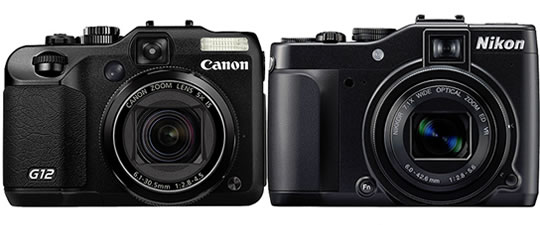
Post image for The Dangers of Comparison Shopping

Canon Or Nikon? Apple Or PC? This Or That? Does It Really Make That Much Difference? No, Not As Much As We Predict.

Making comparisons between goods and services is supposed to get us a better deal but it doesn't always work that way. That's because of the weird way our brains make mountains out of molehills.

The potato chip study

Consider a study by Morewedge et al. (2010). Participants were asked to predict how much they would enjoy a potato chip. Half the participants were in a room that also happened to contain other superior snacks like a luxurious chocolate bar; others were in a room with inferior snacks, like sardines and spam.

People in the room with the superior snacks thought they'd enjoy the chip less than those in the room with the inferior snack. They were wrong. In fact they liked the snacks exactly the same, no matter the surrounding snacks.

Here's the moral: when you enjoy whatever you choose, you're mostly not comparing it with other options: you enjoy it for what it is. Comparisons mess with your mind.

The tyranny of small differences

When we go to buy a car, a house or a snack we tend to make a big deal out of the differences between similar products. We notice that this car is faster, or this house is slightly bigger, or this chocolate bar is bigger. In reality the differences in our enjoyment are much smaller than we imagine; maybe no more than a hill of beans.

If you're the kind of person that really sweats over their comparison shopping, then take note. This research suggests: don't bother, let it go, it won't matter. Sure, get the lowest price for the same goods or service, but don't go crazy choosing between models or features, it really won't make that much difference.

The danger is that the tyranny of relatively small differences will force you to spend more money than you want or can afford. Then you end up having to pay for something that makes you no happier than a cheaper option. Indeed, when you consider the extra effort required to pay for expensive things like houses and cars, it may even make you less happy in the long-run.

So, be happier, do what psychologists call 'satisficing' (a combination of satisfy and suffice): get something that does the job but don't torture yourself, it's not worth it.

Image credit: Yampee Yankee

Thanks to PsyBlog / Spring Org UK
http://www.spring.org.uk/2011/10/how-comparison-shopping-makes-us-unhappy.php?utm_source=feedburner&utm_medium=email&utm_campaign=Feed%3A+PsychologyBlog+%28PsyBlog%29


Tip Of The Day: Ask For Help

There's just no way that you're going to be able to do everything that's asked of you all by yourself. So don't act stupid. Ask for help. Ask for help from your boss. Ask for help from your team. Ask for help from your peers.

Ask for help from anyone who might be able to help.

Thanks to Wally Bock's Three Star Leadership Blog
http://blog.threestarleadership.com/2011/10/28/ask-for-help.aspx


Tip Of The Day: Exercise For Better Decisions

Regular exercise is good for you in many ways. One of them is that you're more likely to make good decisions when you're fit.

Good cardiovascular fitness means that your brain gets more oxygen. When that happens you think better.

When you're fit you don't get tired as easily. That's good. Vince Lombardi said that "Fatigue makes cowards of us all." Fatigue also makes us less disciplined and more likely to pick the easy choice even if it's not the right choice.

Thanks to Wally Bock's Three Star Leadership Blog
http://blog.threestarleadership.com/2011/10/27/bosss-tip-of-the-day-exercise-for-better-decisions.aspx


Tip Of The Day: Less Gotcha, More Helpya

There are two basic supervision styles. Some supervisors understand their job as catching people doing the wrong thing and then correcting them. That's hard and frustrating work and usually doesn't improve performance.

Other supervisors understand their job as helping the team and team members succeed. Their teams usually do better and their days are less stressful.

You get to choose your style.

Thanks to Wally Bock's Three Star Leadership Blog
http://blog.threestarleadership.com/2011/10/26/bosss-tip-of-the-day-less-gotcha-more-helpya.aspx


Tip Of The Day: Two Tests For Delegation

Everyone says that delegation is a good idea and it is, but only if it's done right. Here are two tests that will help you decide what to delegate.

Delegate tasks that are not the best use of your time.

Delegate tasks that a team member can do well enough.

Thanks to Wally Bock's Three Star Leadership Blog
http://blog.threestarleadership.com/2011/10/24/bosss-tip-of-the-day-two-tests-for-delegation.aspx


Problems — And Solutions - HR Executives: What's Your Biggest Challenge?

These can't be easy times for human-resources executives. A weak economy makes it hard to promote or reward employees. Though unemployment is high, companies say they are strapped when it comes to finding qualified people for specialized tasks.

With that in mind, we asked HR executives across industries this question: "What is your biggest challenge in terms of human resources, and what are you doing to address it?" Here's what they had to say:

Attracting Technical Talent

Although the nation's jobless rate remains high at 9.1%, demand for technical workers such as engineers continues to outpace supply at many companies. To attract top tech talent, some HR departments are taking their pitches to the classroom.

To increase the number of students graduating with the skills it needs, SAS Institute Inc., a software company in Cary, N.C., helped create a master's program in analytics at nearby North Carolina State University through initial funding and curriculum guidance. Several SAS employees serve on the executive board that oversees the program.

"We're trying to be very proactive in helping universities understand that this is a skill set that is needed," says Jenn Mann, vice president, human resources at SAS, which is working with other universities to start similar programs. SAS also sponsors a robust global intern program and may have as many as 300 college interns working at the company at any given time.

Natural-gas and oil producer Chesapeake Energy Corp., meanwhile, sees the military as a good breeding ground for tech talent. The Oklahoma City-based company seeks out military veterans "for their character, values and ethics, not necessarily industry-related experience," says Martha Burger, senior vice president, human and corporate resources. Chesapeake hires veterans as drilling and reservoir engineers, facilities engineers and business analysts, and provides them with extensive training.

Controlling Your Brand

HR professionals say managing a company's image has become ever more challenging—and important—in the age of the Internet. Job candidates can easily use the Web to check out a company's financials, culture or even the boss before deciding to take a job, and they are doing so in increasing numbers, according to Steve Cadigan, vice president of talent at business-networking site LinkedIn Corp.

Recognizing the importance of controlling its brand, LinkedIn late last year designated a small team to focus on providing prospective employees with a look at what it's like to work at the Mountain View, Calif., company. The team uses open houses, blogs and video testimonials from current employees to provide information to candidates. In August, LinkedIn invited interns working in the Bay area and students at nearby colleges to its headquarters to participate in a computer-programming event. The idea was to give them a taste of LinkedIn's culture firsthand, says Mr. Cadigan.

Keeping Up Communication

To better connect with younger workers, many companies are increasing their presence on social-media platforms.

In addition to using sites like Facebook and LinkedIn to connect with potential recruits, accounting firm Ernst & Young LLP recently created a Facebook page called Ernst & Young Connects, where more than 5,400 employees can share experiences and opinions about things such as the intern program, the chairman's values or updates from the managing partner.

"Half of our population is younger than 30 years old, and we have to be very cognizant of what the younger people want and need from a career and workplace," says Nancy Altobello, Americas vice chairwoman of people at the New York-based firm.

Chesapeake Energy, meanwhile, posts videos on YouTube about how to get a job, avoid résumé mistakes and how long it typically takes to hear about a position at Chesapeake.

Creating Opportunities

When times are tough, it can be a challenge to keep employees engaged. Many companies are trying to boost internal opportunities, so workers feel they aren't stuck.

Office products-and-services company Office Depot Inc. is focusing on career-progression programs that encourage employees to switch departments at appropriate times to broaden their skills. Finance employees, for example, may be urged to spend time working in marketing or merchandise, and marketing employees may be encouraged to get sales or supply-chain experience. Even associates can move around, so they don't have to leave the company to develop other skills, says Michael Allison, executive vice president of human resources.

Energy-delivery company Pepco Holdings Inc. gives employees a chance to gain leadership and critical-thinking skills through its PHI Change Network. Under the program, certain employees are designated as "change agents," and their job is to help colleagues understand new technology and other advances that are changing the industry, says Ernest Jenkins, vice president, people strategy and human resources.

Hilton Worldwide, meanwhile, is building an internal university with courses from the University of Pennsylvania's Wharton School, Harvard University and Cornell University. "We try to bring that curriculum to our team members and let them leverage it to help steer their own career," says Matt Schuyler, chief human resources officer.

Seeking More Referrals

Attracting top talent can be expensive and doesn't always result in a good hire. So some companies are emphasizing employee-referral programs. "If we're going to pay to hire, we'd want it to go to our people," says Ernst & Young's Ms. Altobello.

Over the past year, Ernst & Young has reinvigorated its employee-referral program, hoping to increase those hires to 50% of the total, up from 30% in the last fiscal year. While it has kept its bonus program the same—employees earn anywhere from $1,000 to $10,000—referrals tend to be better fits for the company, Ms. Altobello says, adding that they also arrive with a stronger sense of belonging.

Ms. Glazer is a Wall Street Journal staff reporter in New York.

Thanks to Emily Glazer / Online WSJ / Dow Jones & Company, Inc.
http://online.wsj.com/article/SB10001424052970204479504576636841227735016.html?mod=dist_smartbrief


In Hiring And Promoting, Look Beyond Results

Would you have more confidence in a new CEO who came from a company in a growing field or a troubled industry? Would you promote a top performer if you learned he or she used shady tactics to reach sales targets?

When making judgments about whom to hire and promote, context is crucial. It's important to know the situations in which people worked, and the methods they used, before judging their performance. In the case of the CEO, for instance, it's a lot easier to post great numbers in a booming industry than a shrinking one.

Unfortunately, we usually don't look at those factors. Evidence from several studies suggests that we're biased toward results when making these crucial decisions. Time and again, we look at what candidates have achieved—without asking where or how they achieved it.

Focusing on Results

This error comes in two forms. First, there's correspondence bias—the tendency to judge people's ability directly from performance, without taking into account their situation.

This type of error was demonstrated in a study I conducted with Don Moore of the University of California at Berkeley and Sam Swift and Zachariah Sharek of Carnegie Mellon University. We asked college students to assume the role of admissions officers for a selective M.B.A. program. Then we gave them candidates' grade-point averages, as well as the average GPA of the particular college each attended.

When deciding whom to admit, the participants overweighted applicants' GPAs and underweighted the effect of the grading norms at different schools. In other words, they did not appropriately take into account the ease with which candidates earned their grades.

Ends and Means

The other type of bias, outcome bias, is the tendency to base judgments about performance on the results alone, without examining the behavior the person used to reach those results. Consider a study I conducted with Max Bazerman of Harvard Business School and Don Moore.

We asked our participants to evaluate the actions of another person in terms of how ethical they were. From the description, it was clear that the person's actions were ethically questionable, and participants evaluated them as such. But when they then learned about the outcomes of those actions, their opinions sometimes changed.

When the actions led to a bad outcome, participants continued to view the person as highly unethical. But when the same actions led to a positive outcome, the person was evaluated as behaving ethically.

We all know that good people are sometimes unlucky, and that scoundrels sometimes get away clean. But if we judge decisions based on outcomes alone, we will end up condemning too many unlucky people and acquitting too many scoundrels.

Moving Forward

How can people overcome these biases? First, they must raise their level of awareness, recognizing that these biases exist and that they have powerful consequences. When managers face a hiring or promotion decision, they should consider whether they are appropriately accounting for a candidate's situation and whether their evaluations are based on both actions and outcomes.

Organizations may also need to make structural changes to their performance evaluations or promotion decisions. They might, for instance, reduce the effect of biases by including an assessment of the means used to achieve given objectives and the situational influences on performance.

By investing in these kinds of solutions, managers can be confident that they will be able to debug their selection decision.

Mrs. Gino is an associate professor of business administration at Harvard Business School.

Thanks to Francesca Gino / Online WSJ / Dow Jones & Company, Inc.
http://online.wsj.com/article/SB10001424053111903703604576586931897851772.html?mod=dist_smartbrief


Put On A Happy Face. Seriously.

It's one of those days. You argue with your spouse before heading out the door. A rude driver swerves in front of your car and you spill coffee on your lap. You arrive at work in a bad mood.

Will those negative feelings affect your productivity and performance for the rest of the day?

For many people the answer is yes, which is why taking steps to help employees start the day off on the right foot is something more organizations might want to consider.

Recent research I have done with Steffanie Wilk, an associate professor at the Fisher College of Business at the Ohio State University, examined the link between employee mood and performance on the job. We asked U.S.-based telephone customer-service representatives for a Fortune 500 company to record their moods at the start of and at various times during the day for a three-week period. After accounting for each employee's underlying temperament and the mood of the customers they were helping, we found evidence of virtuous and vicious cycles, depending on how the reps were feeling at the start of their shift.

Can smiling really boost your mood? WSJ's Christina Tsuei takes a look at the science behind smiling, in this latest installment of "Is It True?"

More specifically, the reps who were happy at the start of the day generally stayed that way as the day progressed. They tended to feel more positively after talking with customers, which resulted in their providing better service on subsequent calls.

Those who came to work miserable, on the other hand, tended to feel worse after interacting with customers, which in turn led to a more than 10% decline in their productivity as they had to take more small breaks between calls to get through the day.

What can companies take from this research? Our findings suggest that to enhance performance, it is critical to both acknowledge and reset the negative moods that employees bring with them to work. At the same time, reinforcing good moods—say, by offering cookies in the break room—may lead to an improvement in the quality of work produced. A manager might choose to focus more on minimizing negative moods or more on reinforcing positive ones, depending on which performance goal—productivity or quality—is more important.

[MOODBOXonline]
Misery Loves Company

Many organizations wrongly assume that employees dealing with things like stressful commutes or worrisome family problems can simply check their emotions at the door. Most can't. But there are steps that both employees and employers can take to reset the bad moods that compromise job performance.

One important way employees can reset a negative mood on their own is by creating a so-called intentional transition. That might mean stopping for a coffee, listening to a favorite piece of music or taking a more scenic route to the office. As our findings show, it's more than just a feel-good strategy—it can set the stage for making a better impression at work.

Leaders and managers, meanwhile, can do their part by creating positive transitions for their teams at the start of the workday. They might, for example, hold a quick motivational gathering with staff members each morning, or send an e-mail to each employee with a positive thought, goal or feedback.

Managers also can give their employees time and space to reduce stress by letting them socialize and check in with colleagues before getting down to work. To that end, some management consultants suggest building in five or 10 minutes of open time at the start of meetings, so employees can share anything that may be distracting them from focusing on the agenda at hand. Some managers even bring toys such as squeeze balls and Slinkies to meetings, and encourage people to play with them to release stress.

One counterintuitive finding that came out of our study was that while bad moods at the start of the day generally persisted or got worse as the day went on, interacting with customers who had worse-than-average moods actually made employees feel less bad, an effect we called "misery loves company." Dealing with people who are worse off than themselves may allow employees to put things in perspective. Alternatively, dealing with miserable customers may give employees license to match the customer's tone in a way that allows them to vent their own frustrations.

Both of these strategies—putting one's problems in perspective and venting in an acceptable way—may help employees get into a better mood on their own, suggesting that strong intervention on the part of a manager isn't always required.

Flexibility Pays Dividends

Still, bosses who pay attention to the moods of their employees and show flexibility in how they respond are likely to reap rewards.

The manager who shows immediate frustration with an employee who arrives a few minutes late, for example, likely will exacerbate the person's bad mood, sending the employee into a negative tailspin that results in lowered productivity and compromised job performance all day. Moreover, the employee is less likely to hear, process and benefit from the manager's feedback at that time. Waiting for a more appropriate time to discuss the issue will help, both in terms of the manager's own emotional reaction, as well as the employee's ability to hear and discuss the feedback.

So think about creating an office culture that encourages a positive start to the day. It likely will pay dividends in both the short and long term.

Dr. Rothbard is the David Pottruck associate professor of management at the Wharton School, University of Pennsylvania.

Thanks to Dr. Nancy Rothbard / Online WSJ / Dow Jones & Company, Inc.
http://online.wsj.com/article/SB10001424052970203388804576612943738516996.html


What's a Company's Biggest Security Risk? You.

Employees don't mean to be the primary entry point for hackers. But they are.

We are the weakest link.

Hacking attacks against companies are growing bigger and bolder—witness a string of high-profile breaches this year at Sony Corp., Citigroup Inc. and others. But gone are the days when hackers would simply find holes in corporate networks to steal valuable data. Large companies have grown wise to the threat of hacking, and have spent the past 30 years hardening the perimeters of their networks with upgraded technology.

These days, criminals aren't just hacking networks. They're hacking us, the employees.

"The security gap is end users," says Kevin Mandia, chief executive of security firm Mandiant Corp. The majority of corporate security breaches his firm is currently investigating involve hackers who gained access to company networks by exploiting well-intentioned employees.

Consider what happened in March at EMC Corp.'s RSA security unit, the maker of computer login devices used by thousands of other companies. A hacker sent emails to two small groups of employees that looked innocent enough, including a spreadsheet titled "2011 Recruitment plan." The message was so convincing that one employee retrieved it from the "junk mail" folder and then opened the attachment. Doing so introduced a virus inside RSA's network that eventually gave the hacker access to sensitive company data and enabled later attacks against RSA's customers.

Employees have more opportunities than ever to compromise company information. We not only screw up by clicking on emails from hackers that download viruses, letting them bypass corporate firewalls. We also open a Pandora's Box of security problems by circumventing company tech-support rules and doing work with personal gadgets and consumer-grade online services like Web email and cloud storage services.

Closing these holes is proving very difficult, security experts say. But companies keep fighting. To stop potentially dangerous employee habits, they're testing new tools to keep track of what's happening on their networks and rolling out employee education programs.

Here's a look at what employees are doing wrong and how companies are trying to fight our bad habits.

We Help Hackers Target Us

Spies, fraudsters and confidence men have long engaged in what's called social engineering to manipulate people into divulging confidential information, often after completing thorough reconnaissance on their victims. Now those tricks have been adapted for the Internet era.

[LECOVER] Brian Stauffer

Today, we make ourselves easy targets by posting troves of information about ourselves and our jobs online, say security experts. Blogs and professional networks such as LinkedIn are particularly useful sources for criminals, since many people share details about their roles at work, which can be used to help determine corporate hierarchies, among other things. That makes it easy for a hacker to whip up, for example, a message that is purportedly from the target's boss.

With LinkedIn profile information in hand, hackers "craft cunningly believable emails that users will have a high probability of clicking on," says Dave Jevans, chairman of security company IronKey Inc.

Hackers include dangerous traps in these targeted emails, such as links leading to malware or a Web page designed to dupe the employee into entering passwords. In the RSA attack, the emails included an attachment that took advantage of a previously unknown chink in Adobe Flash software to inject a virus into the company's systems.

These attacks are a more precise version of the practice known as phishing, those often oddly worded emails that purport to be from a bank or the IRS that we have learned to ignore. This new generation of emails, called spear phishing, are harder to spot: They not only lack telltale errors like typos, but often also include the names of colleagues and company-specific lingo, and they may be sent from colleagues' email accounts without their knowledge.

The risk of spear-phishing attacks grew considerably this spring, after a massive breach at Alliance Data Systems Corp.'s Epsilon Data Management unit, which manages online marketing for a slew of major retailers, hotels and banks. The breach exposed email addresses for customers at about 2% of the companies that were Epsilon clients, putting those customers at risk of receiving spear-phishing emails that look convincing because they appear to come from their own bank or favorite shop.

Even the savviest companies fall victim. The loosely organized hacker group Anonymous broke into security firm HBGary Inc. earlier this year, in part thanks to emails it sent to a Gary executive from a colleague's stolen email account, cleverly asking for usernames and passwords.

[WEAK]

In a recent test, KnowBe4, a firm that provides security-awareness training, set out to find what percentage of a group of companies would be susceptible to phishing attacks. It sent phishing emails to employees at 81 companies from a reputable and trusted server; 43% of them had one or more employee click on the link in the emails. In a second test, using unknown and untrusted servers that were filtered out by many corporate email systems, still at least one person in 15% of the companies clicked on the emails.

"While this might only be one person out of a thousand, from the point of malware, all it takes is one person to fall for the trick and the damage is done," says Daimon Geopfert, the leader of the security consulting practice at RSM McGladrey Inc.

We Try to Outsmart Tech Support

As we become more adept with personal technology, our expectations for how we can use it at work have multiplied. But some steps we take to be more productive, such as setting up a team account on a cloud storage service, or bringing a personal tablet into the office, can inadvertently open holes in corporate defenses.

In particular, hackers looking for corporate data are targeting personal email. Some employees prefer the ease and features of private email accounts such as Gmail and Yahoo Mail, so they forward some work email to them—or even have all their work email automatically forwarded. That's a bad idea: Many personal email services do not offer the same sort of protection against malware and phishing that employees get at work.

In 2009, Twitter Inc. had hundreds of pages of confidential plans exposed after a hacker accessed the Gmail account of an employee by resetting the employee's password.

In June of this year, Google Inc. shut down a phishing attack that targeted the personal Gmail accounts of what it described as "senior U.S. government officials, Chinese political activists, officials in several Asian countries (predominantly South Korea), military personnel and journalists." Had those officials been using their official, secure email accounts for communications, they might have been at less risk, say security experts.

A Google spokesman says the company's systems "take advantage of the cloud to help us detect patterns of abuse more effectively and protect our users' information."

Companies frequently face data breaches when employees lose laptops and disks, but sharing and storing company documents on third-party cloud services carry their own risks, including phishing attacks. Moreover, sometimes those services themselves drop the ball. In June, a programming error at Internet-based storage firm Dropbox Inc. temporarily allowed any password to be used to access any user account on its website, though Dropbox says fewer than 100 accounts were affected.

The proliferation of social-media services, too, has the potential to amplify our bad decisions. In May, a Hewlett-Packard Co. executive accidentally exposed the company's cloud-computing strategic plans on LinkedIn by updating his profile with details about what the company was building. Bloggers (and likely competitors) noticed it before the employee had a chance to pull it back.

Rogue employees could do even more damage, says Clara Shih, the founder of Hearsay Social Inc., which makes software to help companies set policies for the use of social media by employees and track that use. "Companies are wising up to the fact that, left unchecked, social media's inherently decentralized nature poses a threat to everything from leaking announcements and trade secrets to brand and regulatory violations," she says.

The rise of consumer gadgets such as smartphones and tablets also carries the risk of introducing unknown security holes inside corporate networks. Top-level executives are among the most guilty of leaping on the latest gadget, says Chris McKie, the director of analyst and public relations at security firm Watchguard Technologies Inc. "How do you ensure that whatever device coming in isn't already infected or isn't going to expose other resources?" he says.

Human Solutions

Security problems that originate with humans don't have easy technical solutions.

As older systems that are focused on firewalls fail, corporate IT "needs a new defense doctrine," says RSA's head of identity protection, Uri Rivner. "You need to have security cover inside your organization, rather than your perimeter. You need to understand what your users are doing, and then spot any type of suspicious activity inside."

After the spear-phishing attack at RSA this spring, his firm finalized existing plans to purchase a firm called Netwitness that monitors network traffic to look for suspicious patterns. Others have invested in technology that tries to segregate employee-generated network activity (such as that from a personal iPad) into a separate network, so that employees are less likely to inadvertently introduce viruses into mission-critical systems. And Dropbox says it is trying to work with corporate security departments to develop better controls and visibility into how people use its services for work.

None of these solutions can replace employee vigilance about the ways fraudsters might try to social engineer us, say security experts. Some firms send employees regular reminder emails about best practices, such as never emailing a company username and password—even if the request appears to come from a superior or somebody in the IT department.

Others run regular spear-phishing attacks against their own employees to teach them to be more aware. Former hacker Kevin Mitnick has built a new career out of offering training on social engineering and hacking techniques, and running test attacks on companies to help executives and employees understand how vulnerable they are. "There is always a way to manipulate somebody by changing their perception of what is reality," says Mr. Mitnick.

At a recent lecture for a financial-services company, Mr. Mitnick detailed how he convinced many of the company's employees to open up an email attachment sent from outside of the company by appealing to their desire to be helpful to an employee at another office.

"Some people were ducking their head and saying 'That was me,' " says the company's chief security officer, who declined to be named. "It was not just somebody talking about something that was not applicable to them. It was something they could really sink their teeth into."

Mr. Fowler is a senior special writer in The Wall Street Journal's San Francisco bureau.

Thanks to Geoffrey A. Fowler / Online WSJ / Dow Jones & Company, Inc.
http://online.wsj.com/article/SB10001424053111904836104576556421692299218.html