Word Of the Day
skeptic  | |
|---|---|
| Definition: | (noun) Someone who habitually doubts accepted beliefs. |
| Synonyms: | doubter |
| Usage: | Johnson was one of the skeptics who vigorously denounced Macpherson as a shameless impostor. |
Article Of The Day
| Pas d'Armes | |
|---|---|
 Pas d'Armes was a knightly chivalric phenomenon that evolved in the late 14th century and remained popular through the 15th century. It involved a knight or group of knights laying claim to a traveled spot, such as a bridge or city gate, and declaring that any other knight who wished to pass must first fight—or be disgraced. A traveling knight who was not adequately armed could be provided with weapons. If a passing knight chose not to fight, what would he leave behind as a sign of humiliation? Pas d'Armes was a knightly chivalric phenomenon that evolved in the late 14th century and remained popular through the 15th century. It involved a knight or group of knights laying claim to a traveled spot, such as a bridge or city gate, and declaring that any other knight who wished to pass must first fight—or be disgraced. A traveling knight who was not adequately armed could be provided with weapons. If a passing knight chose not to fight, what would he leave behind as a sign of humiliation?More... | |
This Day In History
| Horace Walpole Coins the Word "Serendipity" (1754) | |
|---|---|
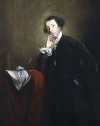 Defined as the faculty of making fortunate discoveries by accident, the word "serendipity" was first coined in 1754 by English author Horace Walpole in one of his more than 3,000 letters. In it, he explains that the root of his new word is taken from "The Three Princes of Serendip," a Persian fairytale about princes who "were always making discoveries, by accidents and sagacity, of things which they were not in quest of." Past serendipitous discoveries include x-rays, helium, and what else? Defined as the faculty of making fortunate discoveries by accident, the word "serendipity" was first coined in 1754 by English author Horace Walpole in one of his more than 3,000 letters. In it, he explains that the root of his new word is taken from "The Three Princes of Serendip," a Persian fairytale about princes who "were always making discoveries, by accidents and sagacity, of things which they were not in quest of." Past serendipitous discoveries include x-rays, helium, and what else?More... | |
Today's Birthday
| Robert Franklin Stroud, the Birdman of Alcatraz (1890) | |
|---|---|
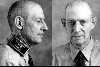 Stroud was a convicted murderer serving time in prison when he came across some injured sparrows in the Leavenworth prison yard. He kept the birds and soon began raising canaries, which he could sell for supplies and to help support his mother. Using equipment furnished by a new warden, Stroud created an aviary and became an expert in avian pathology, writing 2 books on the subject and even developing a cure for hemorrhagic septicemia. How much of his sentence was spent in solitary confinement? Stroud was a convicted murderer serving time in prison when he came across some injured sparrows in the Leavenworth prison yard. He kept the birds and soon began raising canaries, which he could sell for supplies and to help support his mother. Using equipment furnished by a new warden, Stroud created an aviary and became an expert in avian pathology, writing 2 books on the subject and even developing a cure for hemorrhagic septicemia. How much of his sentence was spent in solitary confinement?More... | |
Quote Of The Day
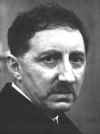 Creative writers are always greater than the causes that they represent. Creative writers are always greater than the causes that they represent. E. M. Forster (1879-1970) |
Thanks to Farlex, Inc
================================================================================================
| |

No comments:
Post a Comment